
#1. Choosing a Style
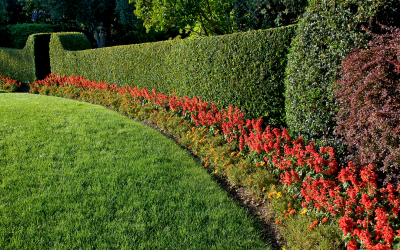
Choosing a style is the first step in landscaping for beginners. You can’t go wrong if you are trying to do what is in your budget, but make sure you are happy with the result. A few things to consider when choosing a style are the desired look, budget, and location. For example, pick a modern or angular design if you want to go more contemporary in appearance. To understand what your options are when it comes to styles, it’s important to know the following:
Traditional – The most common type of landscape design where trees play an important role and gardens are used extensively. Modern – This is a more angular style that features lots of hard surfaces such as bricks or stone slabs. Traditional Country has traditionally been about having large open swathes of land, with very few trees and lots of grass. It is often associated with a rural landscape, but there are many variations on the design that can also be traditional.
#2. Designing Your Garden
Starting a garden can be an amazing way to get out of the office and enjoy nature. You can start small or go big, but prepare for the time commitment with some good planning to stay on top of things. From planting your first herb garden to designing a full-scale butterfly oasis, there are many ways to find your green thumb at home.
#3. Hiring a Landscape Expert
The same way a nutritionist helps people with food, a landscape expert can help homeowners make smarter decisions when it comes to landscaping. Hiring a landscape expert is not an easy process. In fact, it can be one of the most stressful decisions that a homeowner has to make when they are planning on doing their own landscaping project. If you hire someone and they fail to execute the project well, it will cost you more than if you had never hired them in the first place. Check the contractor’s license and insurance credentials before hiring them because this will protect both parties from any possible damages or accidents that might happen while working on your property such as injuries and/or property damage. Interview at least 3 landscape experts before deciding which one to use.
#4. Establishing Your Budget
Landscape design is an art form. It’s all about creating a natural look and feel for your property. One of the most important aspects is to set an appropriate budget for your project. Before you start, it’s best to think about what you want and need, and then come up with a budget that includes all the costs associated with designing and implementing a landscape design plan. This will help you avoid surprises along the way, and ensure that your dream of an ideal landscape comes true.
#5. Finding the Perfect Location
Your choice of location before garden planning will largely determine what and how you plant. Have a think about these considerations and you’ll be on the right track to building your dream garden. A shady spot in your backyard might be perfect for fruit trees, while the sunny area near the pool might be a better place for vegetables. You can’t just put crops anywhere and hope they will grow properly. If you plan to add a vegetable garden to your property, it is important to choose an appropriate location that is well-drained, has enough sun exposure, and provides adequate space for planting.
#6. Planning Your Landscaping Layout
Planning your landscaping layout is not an easy task. There are many factors to consider when designing your yard and garden, such as size and shape of the area, soil type and condition, moisture needs, climate zone (and local weather patterns), and money.
We suggest you start with a rough sketch of your property. You can use the dimensions to calculate the expected distance between plants or trees. You will need to know where you want walkways, patios, lawns or other features in order to plan its location on this map. After you have completed this design drawing, it’s time for you to visit your local nursery where experts will help you choose the best plants for your yard.
#7. Preparing the Area
The preparation of the landscaping area is something that needs to be done before you start planting your garden or other type of plant. You need to prepare the soil for it to be appropriate for the type of plant that you are going to put there. Some plants need light, while others need more shade. It is important that you know what kind of plant you are getting because each one has its own specific needs when it comes to soil preparation.
There are different ways in which you can prepare the soil depending on what type of condition the area has. If it is an area with clay soil, then adding peat moss will help loosen up and break down the clay so that it becomes easier for roots and plants to grow in this type of soil.
#8 Planting Bulbs, Seeds or Perennials?
There are many plants that can be grown in your garden and some plants need to be planted during the fall, others in the spring and some plants can be planted at any time of year. Some cold-hardy perennials, for example, can withstand cold temperatures and need to be transplanted in the fall. These include shrubs like azalea (Rhododendron), mountain laurel (Kalmia), wintergreen (Gaultheria), and bayberry (Myrica).
The first thing to know about bulb plantings is that they should not be planted all at once. You should plant them at different times throughout the fall so that they bloom over a longer period of time. Bulbs also need a certain amount of light and heat in order for them to grow properly. They require more light than seeds and perennials, so it’s best not to mix all three types together when planting your garden because it may affect their growth cycle and cause them to struggle with their blooms.
The best time to plant seeds is in the spring. Planting too late in the fall or winter can result in an early frost killing your crops. You should water your seeds for one to two weeks before planting them, and then continue watering them for a few weeks after planting. You should put high-quality potting soil around the seedlings before planting, then use fertilizer every two weeks.
#9 How to Maintain Your Garden Once Set Up
Maintaining your garden will make it more beautiful and worth maintaining. You can maintain your garden with these simple steps:
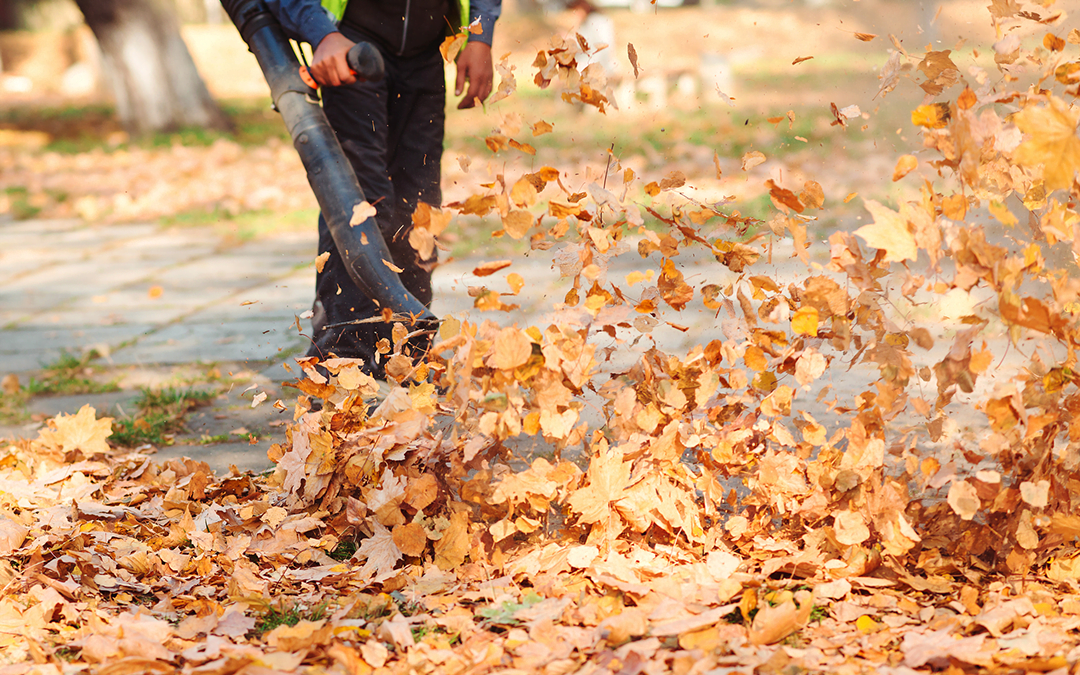
-Remove dead leaves, flowers, and fallen branches every week to help reduce the risk of pest infestation. Leaving piles of dead material around for a long period of time can cause them to provide a breeding ground for pests.
-Watering your plants on a daily basis is essential for maintaining their health and wellbeing. This habit will help to avoid any dryness and keep your plants looking fresh and vibrant.
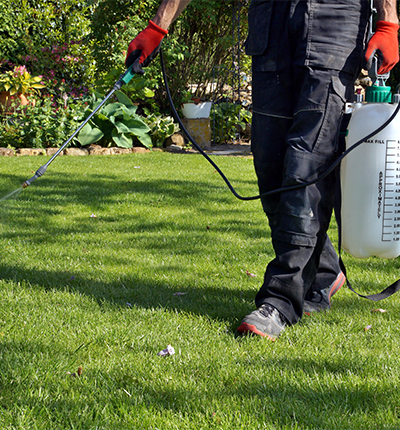
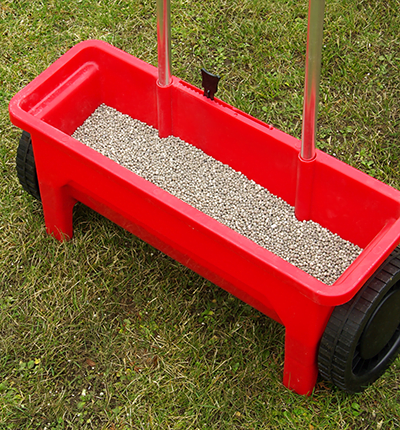
-Fertilizer is an essential tool to achieving an abundant harvest of flowers on your plot of land. You can apply it by either spraying or through the ground, but the latter is more effective. When applied correctly on a plot of soil, fertilizer can greatly help in promoting healthy plant growth and increase its lifespan substantially.
Conclusion
Landscape design is far more complicated than just digging a few holes and putting some plants in the ground. It’s an art that’s designed to be aesthetically pleasing, functional, and sustainable.
Overall, these are all great ideas to get you started with landscaping. One of the most important things to do is have a plan. This doesn’t always mean you need to draw up plans for the entire yard, but it’s always a good idea to think about how your changes will affect your home, the view, and the space. It’s important to take into account that some plants or trees can take years to grow, so be patient and give your garden time to grow.



0 Comments